

Why You Froze (and How to Trust Yourself Next Time)


Dear Curious Christie and Ms. Resilient,
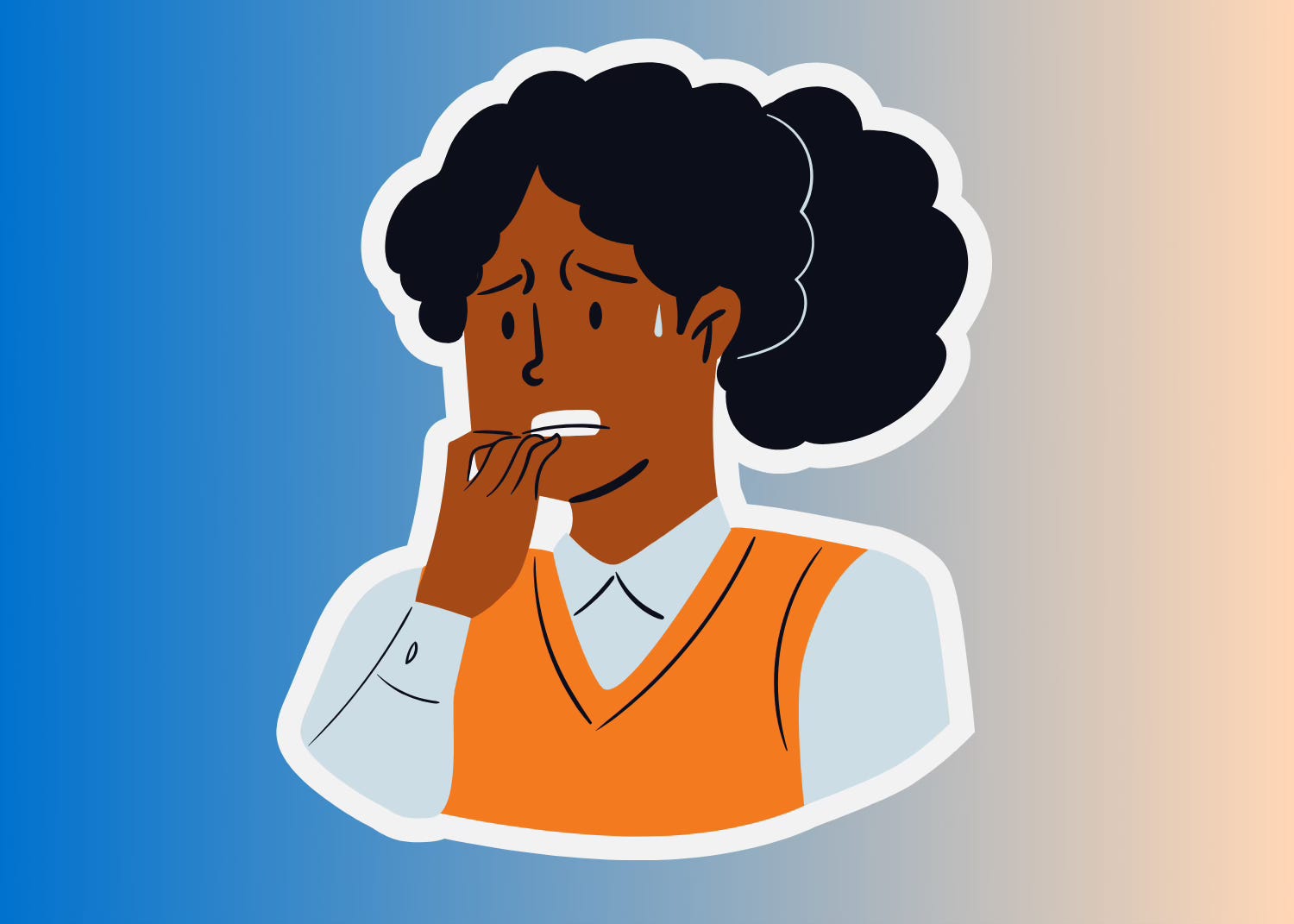
A few weeks ago, I had a disagreement at work that I just can’t stop replaying. It wasn’t explosive or dramatic—just one of those moments when someone said something unfair, and instead of speaking up, I froze. Completely. I could feel the tears welling up, that tight, hot rush behind my eyes that makes you want to disappear. My throat closed, my thoughts scattered, and by the time I found my words, the moment had already passed.
Ever since, I’ve been replaying it on a loop in my head—thinking of all the clear, grounded things I should have said. I keep feeling this mix of shame and frustration, wondering why I didn’t just speak up. I usually think of myself as confident and composed, but in that moment, I felt so small.
I know everyone has those freeze moments sometimes, but it’s hard not to take it personally. I don’t want to keep beating myself up, yet I also don’t want to keep repeating the pattern. How do I let go of the shame and find my voice next time?
~ Tongue-Tied and Tortured
Dear Tongue-Tied and Tortured,
You paint such a vivid picture—I can almost feel that heat rising behind your eyes, the lump in your throat, the way your body seemed to shut down just when you needed your voice most. Those moments are brutal, not because of what’s said, but because of what’s not said.
Here’s what I want you to know: that freeze wasn’t a failure. It was protection. Your nervous system took one look at the situation and decided, “Nope, not safe right now.” That instinct isn’t weakness—it’s wisdom. It’s your body keeping you from saying something when your emotions were too close to the surface to come out clean. So, before you rush to “fix” it, take a breath and offer yourself the same grace you would to a friend. You didn’t do anything wrong. You were just trying to stay safe.
When you’re ready to find your voice again, start by rehearsing. Not the perfect comeback, but what presence feels like in your body. Ground your feet on the floor, notice your breath, and imagine the steady version of you who can pause, not freeze. That pause is your power—it’s where you can collect your thoughts, decide what matters, and choose how to respond.
And if you want to repair what happened, you still can. A simple follow-up like, “I’ve been thinking more about our conversation, and I’d like to share my perspective,” reopens the door. You don’t have to pretend it never happened. You can use it as practice for next time. Proof that your silence wasn’t the end of your voice, just a pause before you reclaimed it.
You’re already doing the brave thing by reflecting, not retreating. That’s how resilience grows—by noticing, learning, and showing up again with just a little more self-trust.
With compassion (and zero judgment),
Curious Christie
Ms. Resilient offers her perspective using Dovetail Learning’s approach:
Dear Tongue-Tied and Tortured,
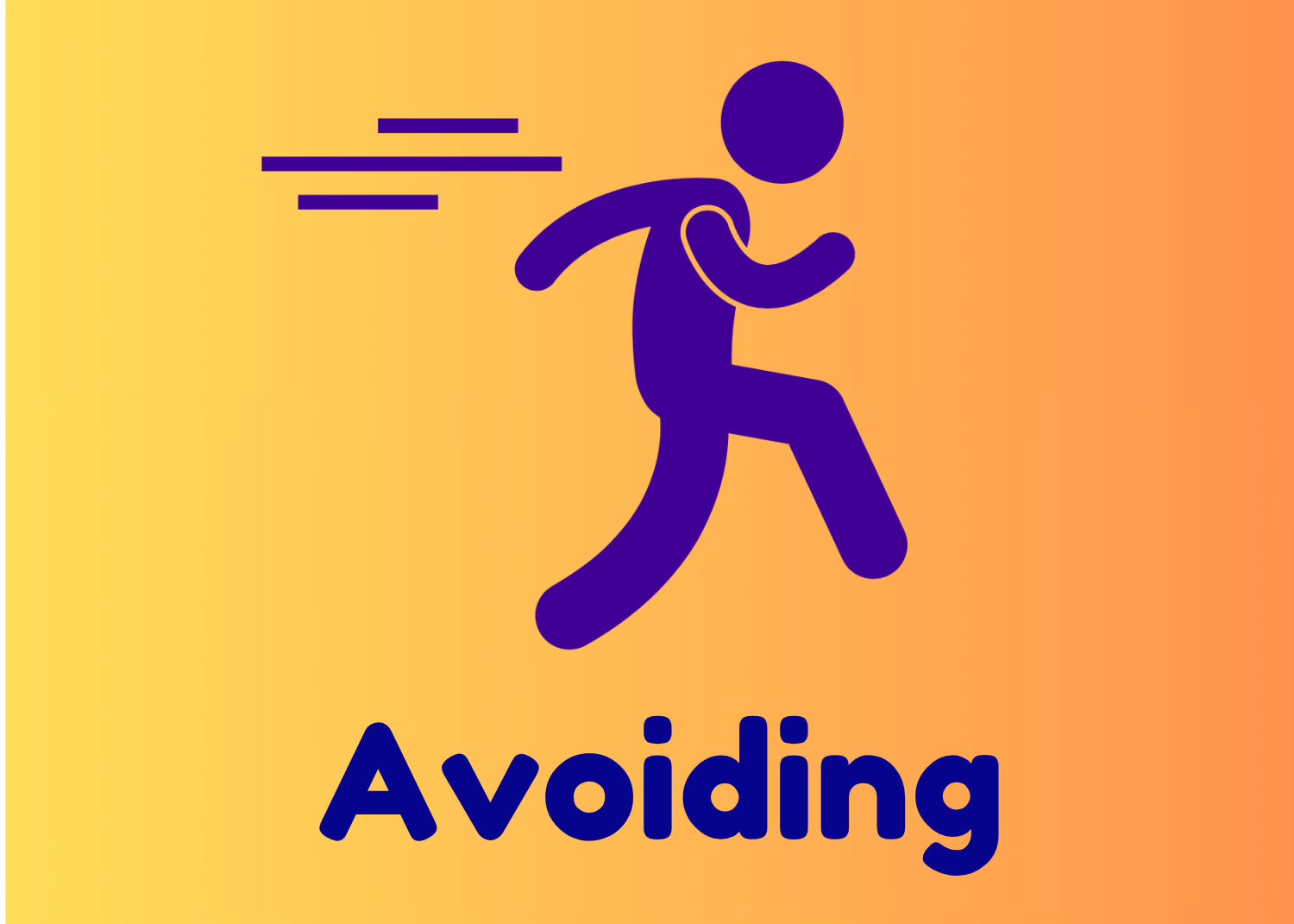
Christie’s response so kindly names what so many of us experience—the painful silence that follows a moment when our voice disappears. Her reflection invites us to look through the lens of the Protective Pattern of Avoiding.
Avoiding often shows up when something feels too uncomfortable, risky, or emotionally charged. In your case, it wasn’t that you didn’t want to speak up—it’s that part of you sensed vulnerability and tried to keep you safe by pulling back. Avoiding protects you by whispering, “Let’s not go there right now. It might hurt too much.” And in that moment, your nervous system agreed.
The key to shifting this pattern isn’t to judge yourself for it, but to notice when it happens. Each time you catch yourself replaying the scene, you can gently say, “Ah, this is Avoiding trying to protect me.” That small awareness interrupts the shame loop and invites curiosity instead of criticism.
With practice, you can thank that protective part for its effort—and, when the moment feels right, choose a new way forward. Maybe that means returning to the conversation later, as Christie suggested, or quietly reminding yourself, “Next time, I’ll try to stay a little longer with the discomfort.” Bit by bit, you’ll build the capacity to stay present even when it feels tender.
Avoiding sometimes helps us survive. Now, your work is learning to notice when you’re strong enough to stay. That shift—from protection to presence—isn’t failure. It’s growth in motion.
With understanding and courage,
Ms. Resilient

Your turn—how do you navigate moments like this? Share advice for Tongue-Tied and Tortured in the comments or email ms@dovetaillearning.org, and we may include it in a future piece.
We want to hear from you!
For advice, please click on the button or email us at ms@dovetaillearning.org.
P.S. It would mean a lot to us if you hit the like button to increase the chances of engagement! Also, if you share our posts with potential readers, we would be incredibly thankful!
That freeze response is so relatable. I think we all have those momens where our thoughts scatter and the words just wont come. The self criticism afterward can be even harder than the orignal moment. Its helpful to remmber that freezing is a protective response and not a personal failure.