When Your Calendar Becomes a Tiny Emotional Trap


Dear Curious Christie and Ms. Resilient,
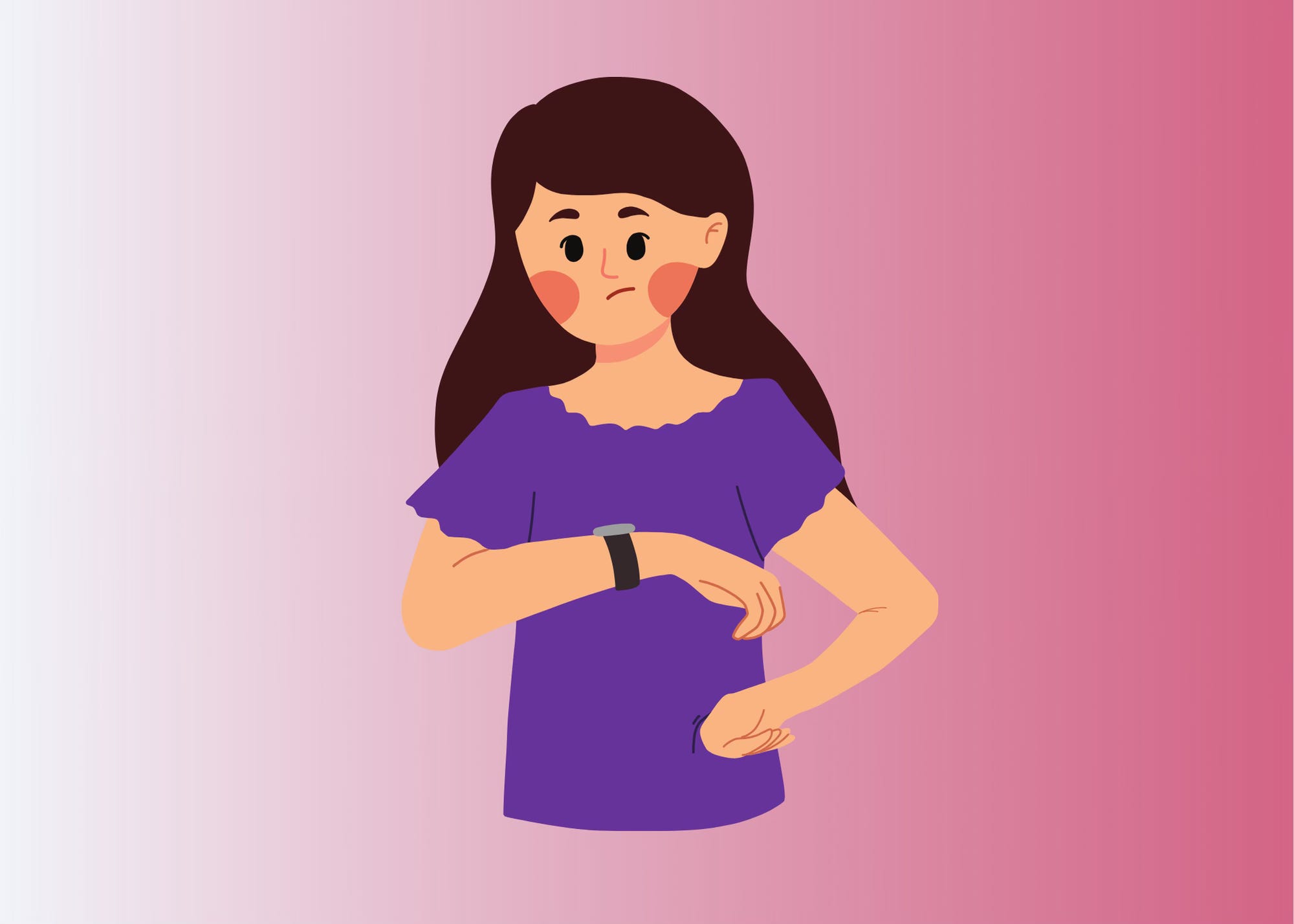
My best friend keeps making plans with me and then canceling at the last minute.
Once or twice, I understood. Life happens. Work gets wild, kids need things, energy disappears, and sometimes the couch wins. I’m not demanding perfect friendship attendance.
But now it’s a pattern. We make plans, I look forward to them, arrange my day around them, and then a few hours before we meet, I get the text: “I’m so sorry, can we reschedule?”
Then we reschedule. Then it happens again.
I keep telling myself to give grace because she has a lot going on, but I’m starting to feel foolish for getting excited. It’s like my calendar has become a tiny emotional trap.
I miss her. When we actually spend time together, it’s great. But lately, I feel like I’m holding space for a friendship that only exists in theory.
How many times do I “give grace” before I admit this friendship is hurting my feelings? And how do I talk to her without sounding demanding or like I’m keeping score?
Signed,
~Canceled Again
Dear Canceled Again,
There is a special little heartbreak in getting excited to see someone, arranging your day around it, and then watching the plan vanish in a puff of “so sorry, can we reschedule?” It is not one cancellation that hurts. It is the pattern. The repeated hope-and-drop. The calendar whiplash.
And you are right: grace matters. People have full lives, complicated nervous systems, work chaos, kid emergencies, exhaustion, and days when even putting on real pants feels like a competitive sport. Friendship needs room for humanity.
But grace is not the same as pretending something does not hurt.
A good place to start is telling the truth without putting her on trial. Keep it grounded in the pattern and the impact: you miss her, you value the friendship, and the repeated last-minute cancellations are starting to make you feel disappointed and hesitant to plan. That is not keeping score. That is noticing what is happening inside you before resentment starts setting up a guest room.
Then get curious about what kind of friendship she can realistically offer right now. Maybe dinner plans are too much in this season. Maybe spontaneous walks work better. Maybe phone calls are easier. Maybe meeting at her house in sweatpants is the chapter you are in. Not every friendship season can hold the same kind of connection.
But your feelings get a seat at the table, too. If she keeps making plans she cannot keep, you are allowed to adjust. Stop arranging your whole day around plans that may disappear. Make lower-stakes plans. Keep things loose. Choose invitations that will not leave you emotionally face-planted if she cancels.
The goal is not to punish her. It is to stop abandoning yourself in the name of being understanding.
Give grace, yes. But include yourself in that grace. You deserve friendships that feel real, not theoretical. And sometimes the most loving thing is to tell the truth early, before resentment moves in and starts redecorating.
Rooting for honest friendships,
Curious Christie
Ms. Resilient offers her perspective using Dovetail Learning’s approach:
Dear Canceled Again,
Christie’s response beautifully highlights the Collaborating Skill of Honoring Agreements. In Dovetail Learning’s approach, Honoring Agreements means recognizing that trust is built not only through good intentions, but through reliability, consistency, and follow-through over time.
What makes this situation painful is not simply that your friend is busy or overwhelmed. It is that a repeated agreement is being made and then broken. Plans are not just logistics — they are small relational commitments. Every time you rearrange your day, get excited, and prepare to connect, you are investing emotionally in the agreement too.
Christie wisely makes space for both realities at once: your friend may genuinely care about you and genuinely be struggling to follow through right now. Those things can coexist.
At the same time, honoring agreements also includes being honest about what we can realistically offer. Sometimes people keep making plans based on who they wish they had the energy to be, rather than what their current season of life can actually support. That does not make them bad friends. But it can create hurt if the pattern continues without acknowledgment or adjustment.
What is especially thoughtful in Christie’s response is the reminder not to abandon yourself in the name of being understanding. Many caring people slip into a quiet form of Hyper-Caretaking in friendships — prioritizing the other person’s stress, needs, or limitations while minimizing their own disappointment. Over time, resentment can grow in the silence.
That is why honest conversations matter before resentment settles in too deeply. Not as punishment. Not as scorekeeping. But as a way of protecting the relationship from becoming built mostly on unspoken hurt.
The suggestion to adjust the type of plans may be wise, too. Honoring agreements is not only about trying harder. Sometimes it is about renegotiating so your agreements better fit reality.
Warmly,
Ms. Resilient

Your turn—how do you navigate moments like this? Share advice for Canceled Again in the comments or email ms@dovetaillearning.org, and we may include it in a future piece.
We want to hear from you!
If something’s weighing on you, don’t carry it alone. Reach out through the button or write to ms@dovetaillearning.org.
P.S. Your support means the world to us—every like helps more people discover our work. And if you feel moved to share our posts with friends or fellow readers, we’d be so grateful!
The newest addition to the We Are Resilient family is officially live: the We Are Resilient App. Designed for real humans living real lives, it’s a simple way to practice resilience day by day. And for a deeper dive, The Heart of Resilience is available in physical, ebook, and audiobook editions. Learn more at Dovetail Learning.