

The PTA Split: Connection Crew vs. Fundraising Force


Dear Curious Christie and Ms. Resilient,
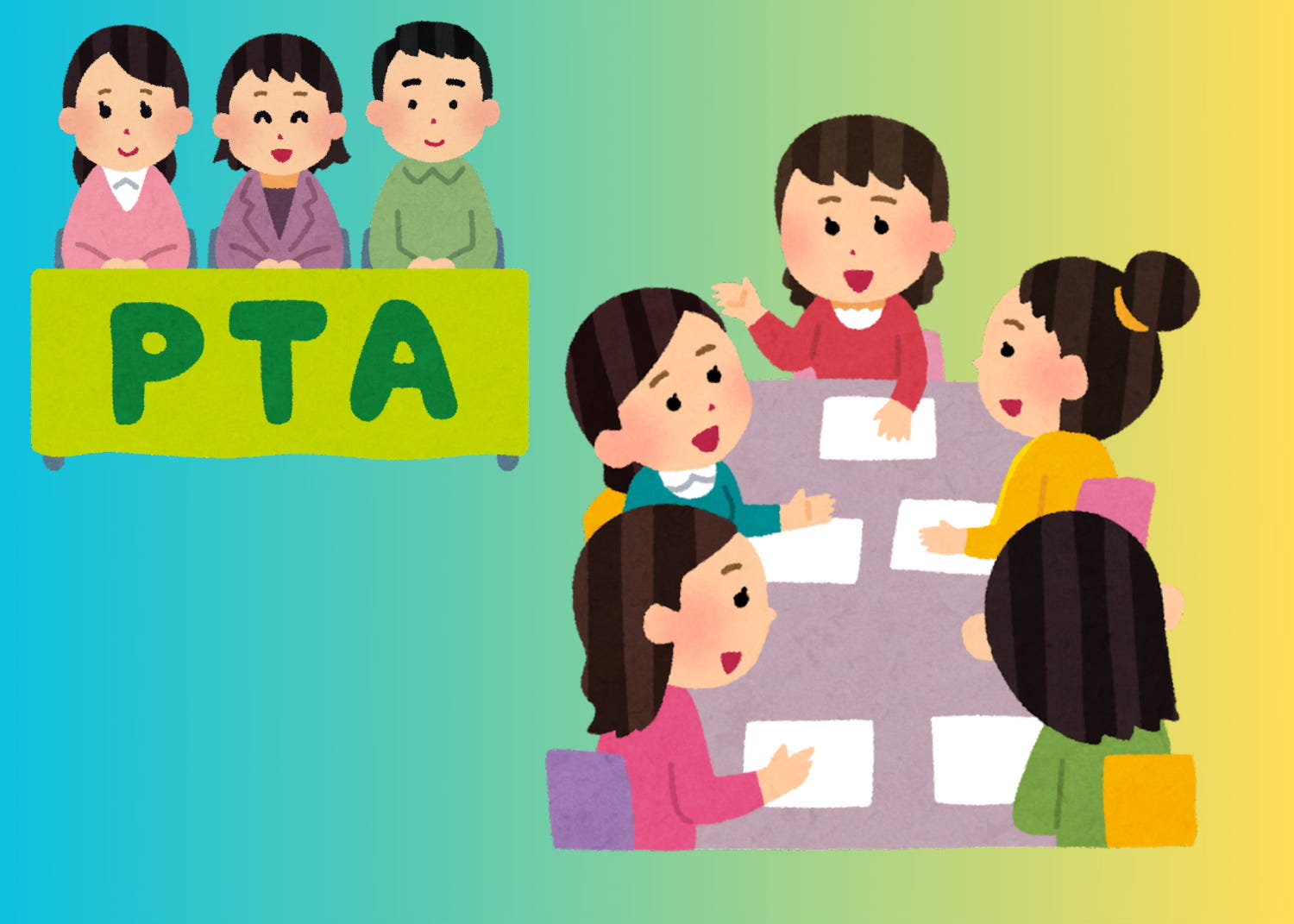
I’m writing from the frontlines of my kid’s school PTA. Somehow, we’ve ended up with two very passionate factions: one group that wants to slow down, build real community, and create space for connection, and another that’s ready to fundraise like we’re launching a space mission. More events! More money! More everything!
And I am stuck smack in the middle.
I didn’t mean to become the unofficial diplomat, but apparently, I give off “mediator” energy, because both sides keep pulling me in. One minute I’m brainstorming low-key family nights, and the next I’m being added to three new committee threads about auctions, grants, and corporate sponsorships—none of which I actually volunteered for.
It’s exhausting. I care about the school, and I genuinely like everyone involved, but bouncing between these extremes is making me feel like a human ping-pong ball. I’m starting to dread the group chats, and honestly, I don’t want to lose the joy of being involved just because I’m afraid of disappointing someone.
How do I navigate this PTA war zone with grace and stay supportive without becoming the default peacekeeper or burning myself out?
Caught Between Cupcakes and Grants
Dear Caught Between Cupcakes and Grants,
PTA dynamics have a way of tugging at nerves you didn’t even know you had. And as someone who has been the president of an education foundation, believe me—I know this particular flavor of chaos. You’re not imagining it. Being pulled between two fired-up camps is exhausting, especially when you never meant to become the neutral zone everyone runs to.
You need to remember that you’re not responsible for holding the entire group together with your bare hands. You stepped in to help your kid’s school, not to referee a bake-sale-versus-budget showdown. And the fact that everyone keeps pulling you in says more about your steadiness than your actual job description.
Your power comes from getting clear about what you actually want to offer—not what everyone hopes you’ll carry. When you choose where and how you contribute, instead of reacting to every request flying at you, the whole situation shifts.
I suggest an email before the next meeting: “I love supporting the PTA, and I’m happy to help with _____. But I can’t be part of all the committees. I want to focus my energy where I can be most helpful. I am happy to chat more at the next meeting.”
Clear, kind, grounded. No drama, no sides taken—just your truth offered with steadiness.
When you step into your lane intentionally, it invites the group to recalibrate, too. People notice when someone models balanced participation. It gives everyone permission to breathe and soften, as well.
With compassion and a firm boundary line,
Curious Christie
Ms. Resilient offers her perspective using Dovetail Learning’s approach:
Dear Caught Between Cupcakes and Grants,
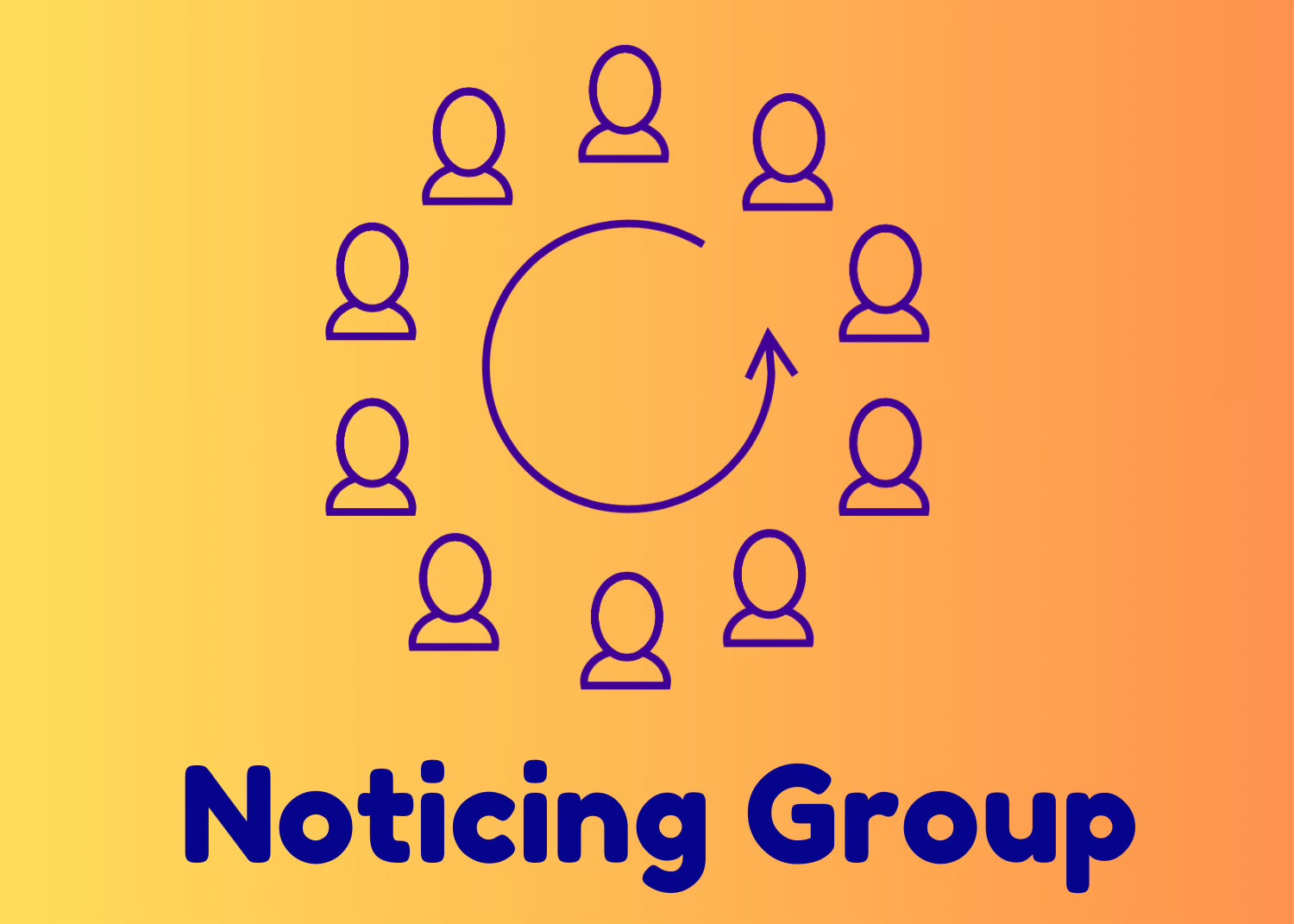
As I read Christie’s response, the skill that immediately came forward was the Collaborating Skill of Noticing Group. Without shared goals, agreements are nearly impossible. And that’s the heart of what’s happening here: you have two groups with two different definitions of “success,” both fueled by care for the school.
Noticing Group means stepping back to observe the dynamics with curiosity instead of getting pulled into the middle. One side is craving connection; the other is craving momentum. Neither is wrong—they’re simply unnamed differences. When those deeper intentions aren’t spoken aloud, the group ends up spinning in opposite directions.
From the centered place Christie describes—where you clarify your own role—you can gently reflect what you see:
“Before we dive into events, it seems like we have two important priorities here: building community and increasing fundraising. What’s our shared goal for this year?”
You’re not solving the divide; you’re helping the group see itself more clearly. Only after that awareness emerges can agreements, roles, and plans start to take shape. When you stand in clarity, you can reflect back what’s actually happening. And that simple noticing often becomes the first step toward real alignment.
With appreciation for your steadiness,
Ms. Resilient

Join the conversation: your guidance for Caught Between Cupcakes and Grants could help others. Comment below or write to ms@dovetaillearning.org to be considered for a feature.
We want to hear from you!
For advice, please click on the button or email us at ms@dovetaillearning.org.
P.S. It would mean a lot to us if you hit the like button to increase the chances of engagement! Also, if you share our posts with potential readers, we would be incredibly thankful!
Love this leadership perspective! Wish more leaders had it