

Support Isn’t a Last Resort


Dear Curious Christie and Ms. Resilient,
A close friend of mine recently started therapy, and watching how supported and grounded he seems has made me curious about trying it myself.
The thing is, nothing in my life is dramatically “wrong.” I’m functioning. I show up. I manage my responsibilities. I have jou. And yet, I sometimes feel overwhelmed, stuck in my own head, or just tired of carrying everything alone. When I imagine reaching out for therapy, a small but loud voice pops up telling me I’m overreacting—or worse, that I’d be “too much.”
I worry about taking up space I don’t deserve, or bringing problems that aren’t serious enough to justify help. Part of me feels silly for even considering it when others are dealing with so much more.
How do you know when therapy is a healthy next step—and how do you get past the belief that needing help means you’re asking for too much?
~ Curious but Hesitant
Dear Curious but Hesitant,
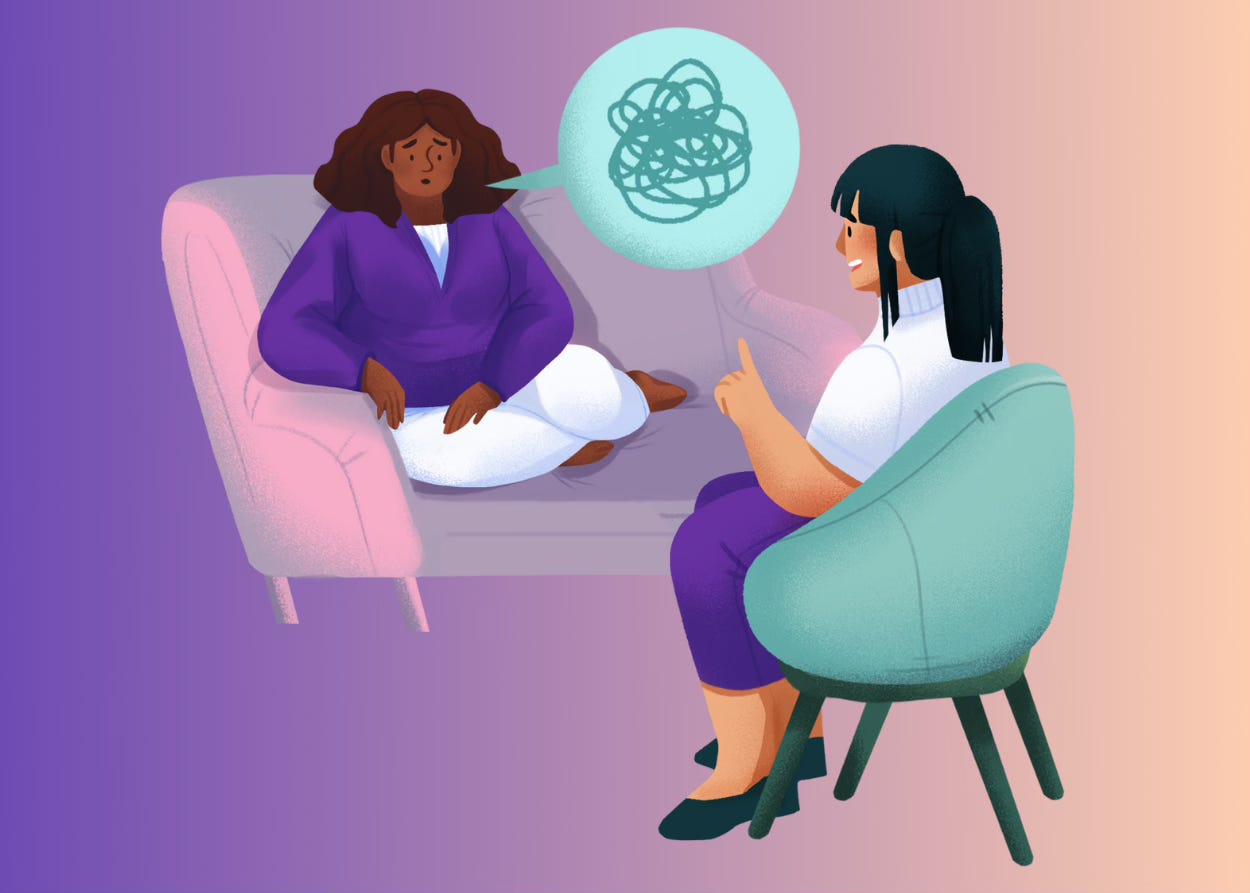
First, let’s throw something out the window: the idea that therapy is only for people whose lives are actively on fire. That belief didn’t come from nowhere. It’s an inherited story many of us absorbed—one that says be strong, don’t complain, handle it yourself. Especially if you’re “fine.” Especially if others “have it worse.”
So when that voice says you might be “too much,” I don’t hear truth. I hear conditioning. Therapy isn’t just for fixing what’s broken; it’s also for tending to what’s carrying a lot.
You can have a job, show up for others, and still feel overwhelmed. You can be grateful and tired at the same time. You can function well and still want a place where you don’t have to hold everything together. None of that makes you dramatic. It makes you human and worthy of care.
And as for taking up space? Therapy is literally a space designed for that. No competition. No threshold of suffering required. Just a place where you get to be honest without minimizing yourself.
You don’t have to decide anything all at once. You can start with one conversation. One session. One experiment in letting support be available before you’re depleted. There are even newer, less traditional models now that include text and video messaging, which can make starting feel more accessible.
Talking to someone to explore what makes you you doesn’t mean you’ve failed at coping. It means you’re choosing not to do everything alone anymore—and I, for one, give that a standing ovation.
With respect for your self-awareness,
Curious Christie
Ms. Resilient offers her perspective using Dovetail Learning’s approach:
Dear Curious but Hesitant,
Christie gently models the Centering Skill of Positive Reframing—and she offers that same lens to you.
Rather than accepting the story that “nothing is wrong, so I shouldn’t need help,” you can look at your experience from a new angle. Therapy doesn’t have to be a response to failure or crisis—it can be care for something that’s already working hard. Feeling overwhelmed doesn’t become evidence that you’re “too much”; it becomes a signal that you’ve been carrying a lot—often quietly and competently.
Positive Reframing doesn’t deny reality. It widens it. You can be grateful and tired. Functional and deserving of support. Seeking therapy isn’t taking space you don’t deserve—it’s choosing a space designed to hold you without comparison or competition.
Reframing lowers the stakes. You’re not committing to a new identity or admitting defeat. You’re simply experimenting with support before exhaustion makes the choice for you. That shift—from judgment to possibility—is the heart of this skill.
You’re not overreacting. You’re noticing yourself and allowing a kinder story to be true.
With warmth and reassurance,
Ms. Resilient

Join the conversation! Your guidance for Curious but Hesitant could help others. Comment below or write to ms@dovetaillearning.org.
We want to hear from you!
For advice, please click on the button or email us at ms@dovetaillearning.org.
P.S. Clicking “like” is a small gesture with big reach—it tells the algorithms and us that this mattered. And sharing our posts? That’s you helping build a community we deeply believe in. 💫
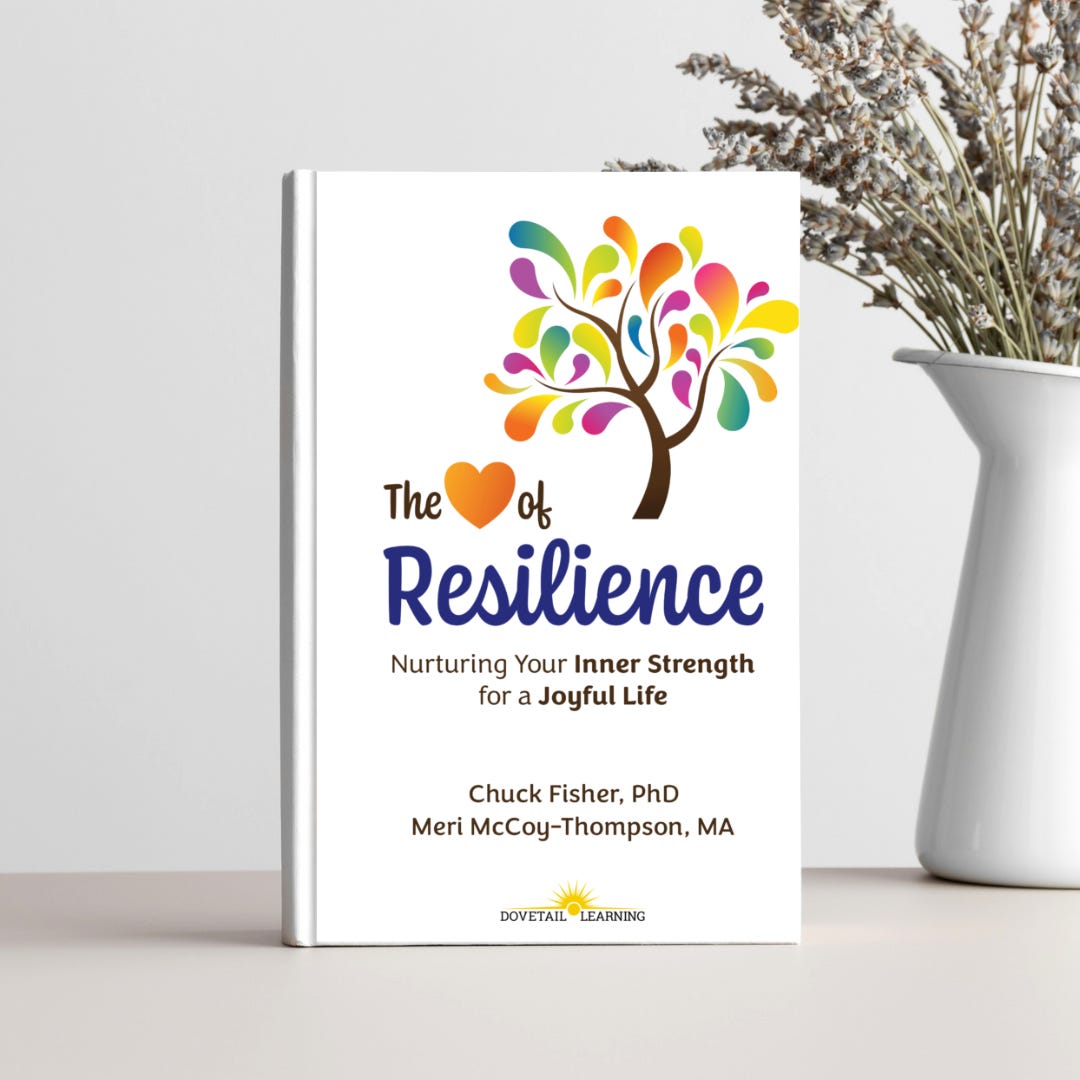
If you’d like to explore these ideas more deeply, The Heart of Resilience (book + audiobook) was made with the same care you find here.
Nice perspective - we spending hundreds of dollars maintaining our cars, but very little sustaining our psyche.