

From Comments to Calm: Reclaiming Your Online Space


Dear Curious Christie and Ms. Resilient,
My uncle on my mom’s side comments on every single thing I post online. And I mean everything—from vacation photos to dinner snapshots to quick memes. Sometimes the comments are harmless, but other times they feel a little passive-aggressive, like a public way of taking a jab or making a point without actually saying it to me directly.
On top of that, he also sends me private messages about my posts, often bringing in his religious or political beliefs, even when what I shared has nothing to do with either. It’s exhausting, and it’s getting to the point where I hesitate before posting because I know he’ll be there, both publicly and privately, ready with some sort of remark.
I’ve thought about blocking him, but I know that would cause a huge family drama, and I’m not interested in adding fuel to that fire.
How do I create some breathing room and keep my online space feeling like mine without setting off a chain reaction of hurt feelings?
~ Trapped in the Comments Section

Dear Trapped in the Comments Section,
Let’s be honest—there are also some clear generational differences at play here. Your uncle likely doesn’t realize that constant commentary, passive-aggressive undertones, or unrelated political and religious tangents don’t exactly scream “warm family connection” in the modern digital world. Social media etiquette isn’t second nature to everyone, especially if you didn’t grow up with it.
Still, that doesn’t mean you have to just grin and scroll. You’ve got a few paths here, and they don’t all have to end in family fireworks:
Adjust the audience without blocking. Use privacy settings to create custom friend lists. That way you can post some things without him seeing them, keeping the peace while still letting him view the safe, “family friendly” updates.
Address it directly but kindly. In a calm moment—not in the comments—say something like, “Uncle Joe, I love staying connected with you online, but sometimes your comments and messages feel a little intense for me. I’d like to keep things lighter there.” This signals that the relationship matters, and you’re asking for a tweak, not a total shutdown.
Stop feeding the engagement loop. Don’t reply to every comment or message. Over time, fewer responses can naturally discourage constant interaction without a direct confrontation.
Build in a pre-event digital detox. In the days or weeks leading up to big family gatherings, give yourself a little social media break. Not because you’re giving him power, but because you’re giving yourself space—physically and mentally—before stepping into in-person family time. It can be surprisingly freeing and help you arrive at the event without that low-level online tension buzzing in the background.
Keep the boundaries offline, too. If he tries to raise your posts in conversation, redirect gently: “I’d rather not debate this—let’s talk about something we both enjoy.”
Remember: setting limits on your digital space isn’t a rejection of him as a person. It’s about making your online world a place you want to be, not one you brace yourself for. You’re allowed to curate that space, even if your last name matches half the people on your feed.
And if all else fails? You can always post a heartfelt “Top Ten Rules of Social Media Etiquette” and tag him. (Kidding. Mostly.)
With compassion and a selective friend list,
Curious Christie
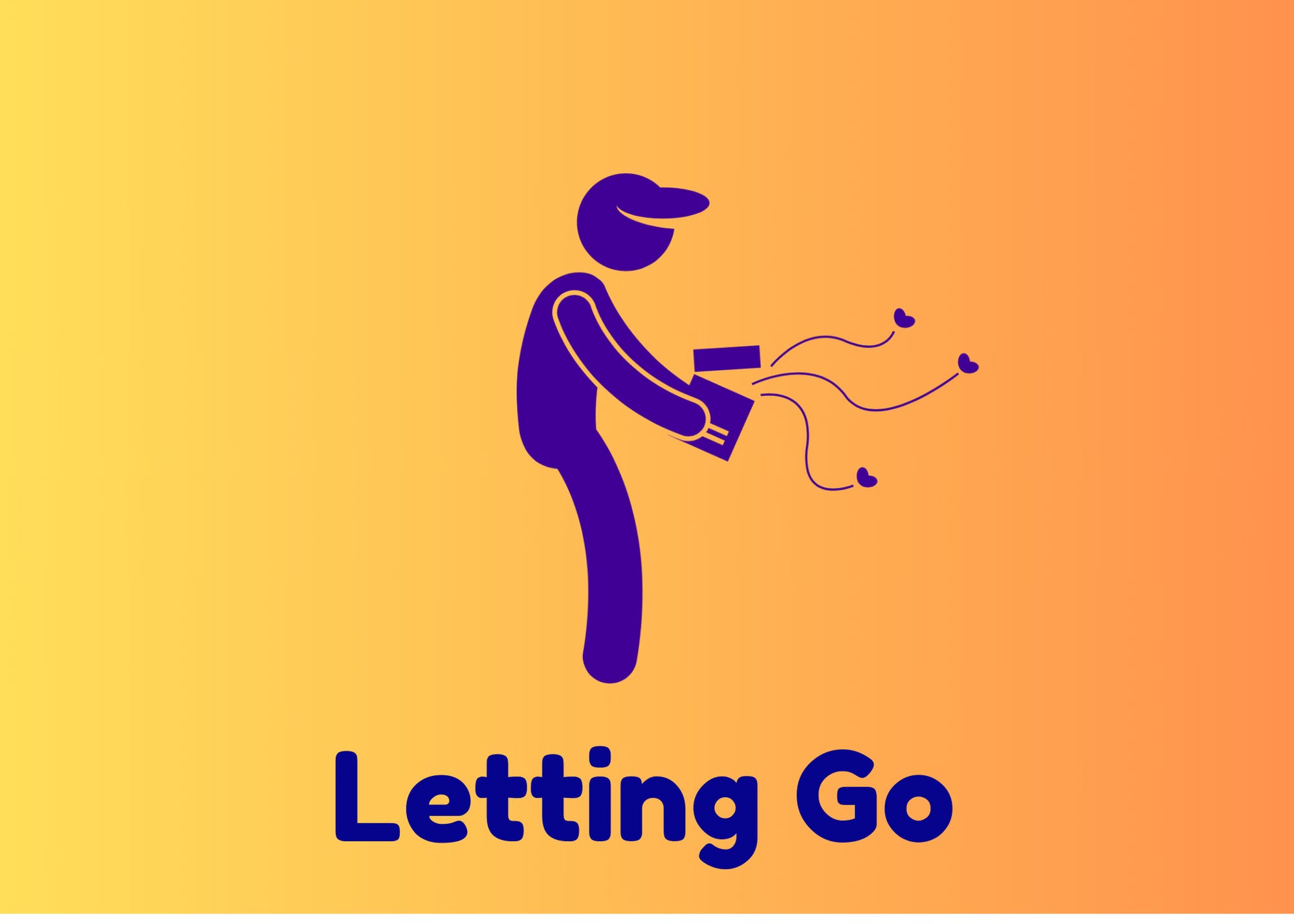
Ms. Resilient offers her perspective using Dovetail Learning’s approach:
Dear Trapped in the Comments Section,
Christie gave you some very thoughtful strategies. Let’s talk about those can pair with Dovetail Learning’s Centering Skill of Letting Go, which helps you loosen your grip on what is weighing you down. Often, that means acknowledging what you can’t control—like your uncle’s need to comment on everything—and focusing instead on what is within your control.
When you Let Go, you aren’t excusing his behavior or pretending it doesn’t affect you. You’re choosing not to carry the extra weight of frustration every time his name pops up in your notifications. That shift gives you more freedom: you can adjust your settings, skip replying, or simply move on without replaying his words in your head. Letting Go doesn’t mean giving up—it means protecting your energy so you can engage on your own terms.
By pairing Christie’s practical steps with the inner release of Letting Go, you create both an external boundary and an internal calm. That way, your online space—and your peace of mind—can stay truly yours.
With encouragement,
Ms. Resilient

What advice do you have for Trapped in the Comments Section? Share in the comments or send to ms@dovetaillearning.org and we may feature your answer in a future column.
We want to hear from you!
For advice, please click on the button or email us at ms@dovetaillearning.org.
P.S. A little tap on that like button is like a high-five from afar—it helps others find us, too! And if you share our posts with friends who might enjoy them, consider it a hug we wish we could give you in person.